
Our Work
Future Farmers Colombia (Nueva Generación Campesina) was created to support real, hands-on work with rural families over time. To remain transparent and accountable, we organize our work into clear phases that reflect how projects develop, grow, and continue.
Camellones School
Escuela Camellones


02
Creating the learning Environment
We focused early on improving the school and its surroundings so learning could happen in a safe, functional, and welcoming space. This work included repairing the school building, improving classrooms, and restoring shared areas used by children and families.
Practical improvements included fixing walls, kitchens, and bathrooms, building communal tables and benches, planting the vegetable garden, restoring the chicken coop, and installing basic classroom infrastructure such as fans.


04
Building independent livelihoods
As families’ immediate needs are addressed, we focus on creating opportunities for independent income that can be sustained and expanded over time. We support small-scale livelihood initiatives that build practical skills, generate income, and strengthen long-term economic stability for families.
Chili Pepper Initiative:
In partnership with a local company, we supported families in cultivating chili peppers by providing starter seeds and on-the-ground support. Once harvested, the peppers are sold back to the company, creating income that families can reinvest in future planting cycles. In the initial phase, a total of 4,000 seeds were distributed.
Coffee Initiative:
We supported one family in establishing a small coffee plot by providing coffee starter plants and coordinating access to processing, packaging, and labeling. We also facilitated initial opportunities to sell the finished coffee, including participation in a local fair and direct sales to FFC supporters.
Artisan Production — Macramé
Women work from a dedicated room in the home of one family, which serves as a shared space for macramé production. We supported this work by providing sewing machines, all required materials, and initial professional instruction. Tablets are also available for self-learning, allowing women to continue developing skills independently over time.
Through this setup, women are able to produce items such as planters, bags, and handcrafted hammocks for sale. We supported initial opportunities to sell these products, including participation in a local artisan fair and limited direct sales to FFC supporters. We are also working toward offering these products through our website in the future, expanding access to additional markets as production stabilizes.
This activity provides flexible income opportunities that complement agricultural work and support independent livelihoods.
Preparing Honey for Market
We support families in preparing honey for sale by focusing on value-added steps beyond production. This includes providing packaging and labels so honey can be sold as a finished product rather than a raw good.
We also supported initial opportunities to sell honey, including participation in local artisan fairs and limited direct sales to FFC supporters. These early sales helped families gain experience with pricing, presentation, and market access.
This activity contributes to income diversification and supports families in bringing their products to market independently over time.



01
Engaging the parents
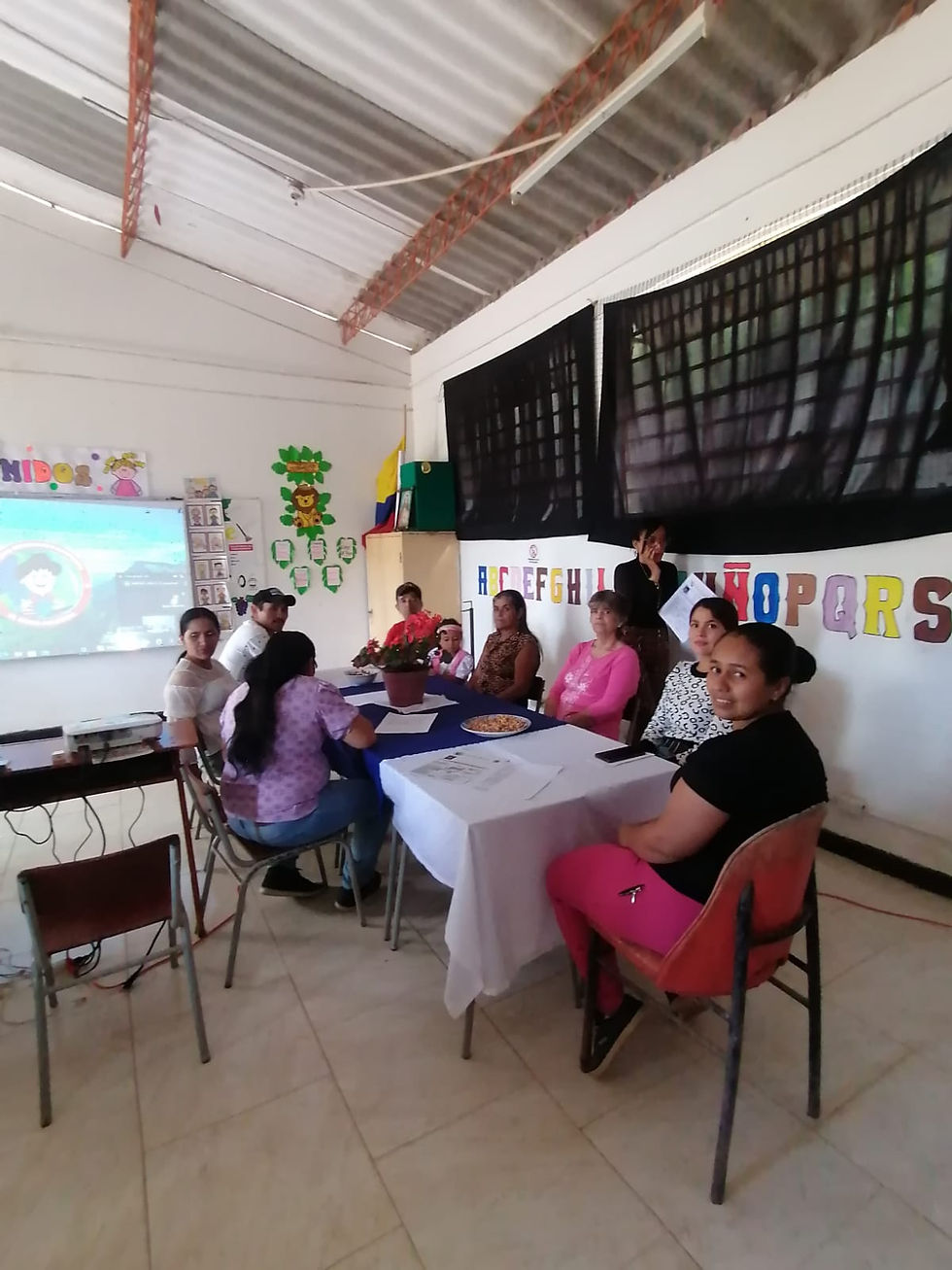
We actively involve parents in the life of the school and the broader project. Parents participate in hands-on work such as school repairs, rebuilding the chicken coop, and supporting daily activities.
This involvement strengthens the school environment and shows children, by example, the value of responsibility, collaboration, and care. We also listen closely to parents’ needs and adapt our work to support their families over time.


03
Outfitting for Learning
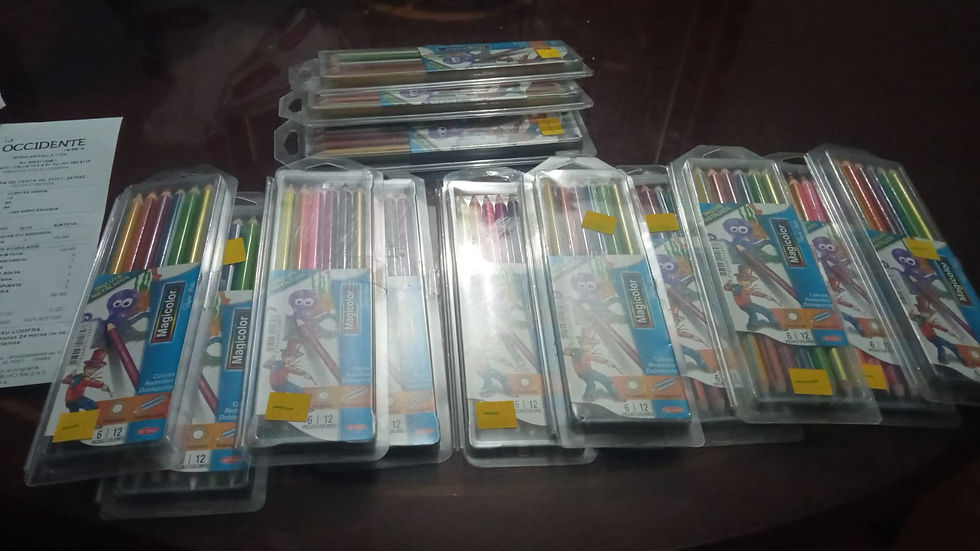
We equipped the school so children could learn consistently throughout the school year. This included providing school supplies, books, games, and learning materials, as well as basic technology such as a computer and printer.
Each child also received essential items like boots and clothing needed for daily attendance. For the 2023–2024, 2024–2025, and 2025–2026 school years, all required school supplies were fully covered.
Chili Pepper initiative


05
Bamboo Construction
To improve living conditions, we support families in learning how to work with bamboo and apply those skills to building durable structures. This includes hands-on training, preparation of materials, and collaborative construction using locally sourced bamboo.
Bamboo (Guadua) Workshop:
Families built a shared bamboo workshop on the land of one family, which now serves as a space for learning, preparation, and construction. We supported the creation of this workshop by providing tools, basic machines, materials, transportation, and access to technical instruction.
Through hands-on learning, families develop skills in working with bamboo safely and effectively, preparing materials, and building basic structures. The workshop supports both skill development and the practical work required for construction.
Preparing for Home Construction:
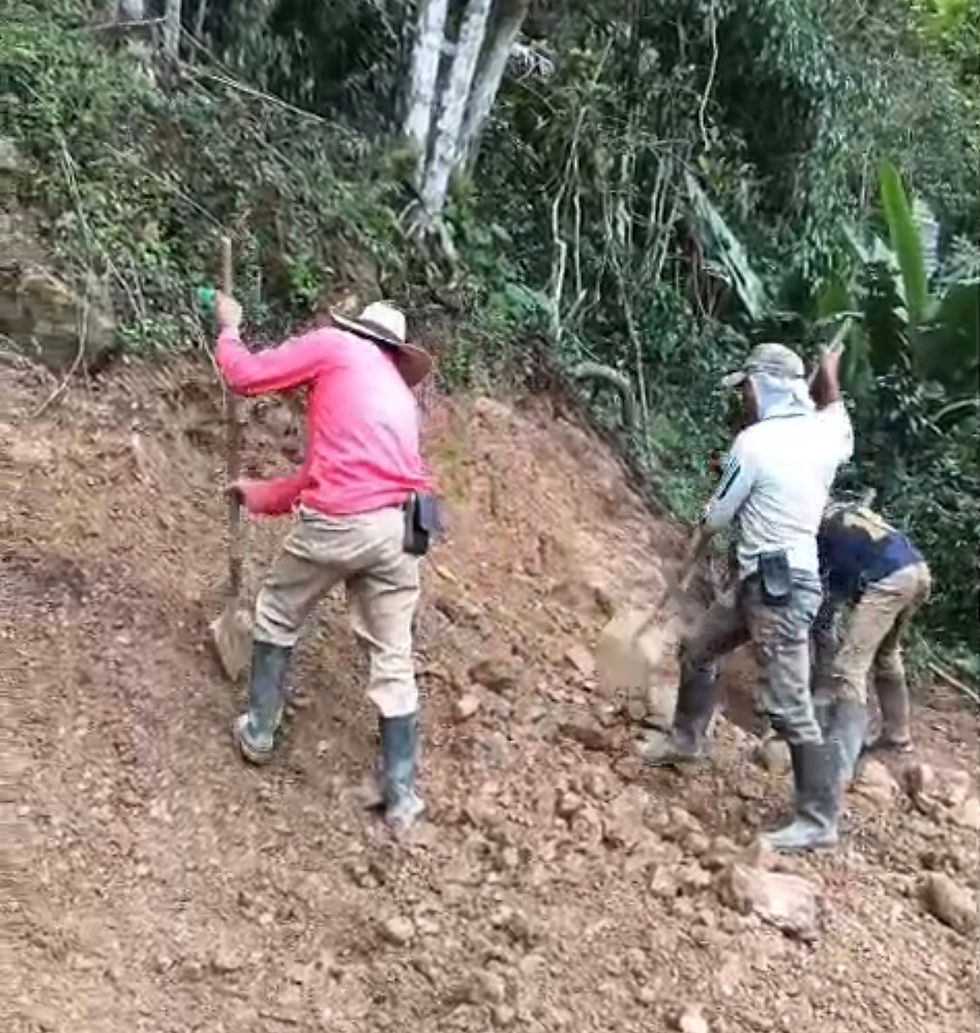
As part of this process, families work together to transport bamboo, prepare materials, and organize the tasks required for building. This includes creating access to the site and preparing materials on location.
Bamboo is currently being harvested and prepared, access to the build site has been established, and land and floor plans are in place for the first home. Key building materials are ready, and construction will continue as preparation and training progress.
Where the Work Stands
Much of this work is ongoing. Alongside continued preparation for the first bamboo home, efforts are underway to expand market access for family-produced goods, including supporting product sales through a partner company and preparing to offer selected products through our website.
Official coffee grading is also being pursued to access higher-value markets, while support for the local school continues and school supply assistance begins to extend to another rural school. These efforts reflect the same step-by-step approach shown throughout this page—building capacity, access, and independence over time.
All proceeds from product sales go directly to the families involved and to project costs; the foundation does not take a percentage from these sales.
Donations are used entirely to support program activities and materials on the ground.
The foundation does not pay salaries to founders or staff.
